Recent Ruins / Catalogue / Glass & Ceramic
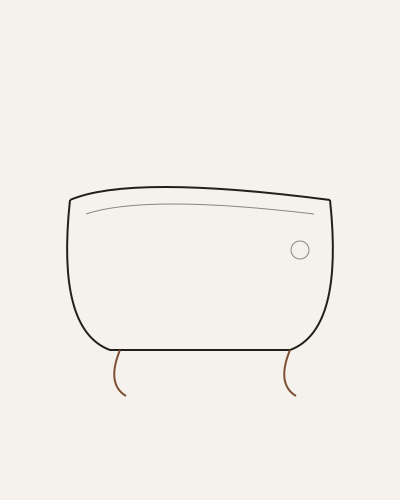
Cast-iron tubs
| Period range | 1880-1940 |
|---|---|
| Usual fabric | Cast iron with a fired porcelain enamel glaze |
| Usual form | Roll-top, slipper and double-ended, on feet or a plinth |
| Wear to expect | Dull or worn glaze at the base, rust at the overflow, chipped rim |
The iron almost never fails. The glaze does, and the glaze is the whole question.
What it is
A cast-iron tub is a heavy iron shell with a porcelain enamel fired onto the inside. The common forms are the roll-top with a rolled rim all round, the slipper with one raised end, and the double-ended with a central waste. Feet are separate castings and are routinely mismatched; ball-and-claw is only one pattern among several, and plain scroll and bracket feet are just as period.
How to tell age
Look at the overflow and waste arrangement, which changed more than the outline did. Early tubs often have an exposed external waste; later ones integrate it. The underside of an original tub is usually unpainted grey iron with a rough cast surface, and the foot mountings are cast as part of the shell rather than bolted on.
What commonly fails
Glaze goes matte and porous where the water sat, typically a broad dull patch at the base, and once porous it holds stains permanently. Chips at the rim expose iron and rust from the edge inward. Feet crack at the mounting boss, which is not visible until the tub is standing.
What to check before fitting
Run your palm over the base of the interior: a glaze that drags is a glaze that has gone. Check the rim all round for chips under the paint. Confirm the tub matches the waste position you can actually plumb, and be certain of the route into the room before you buy, because these do not go up a turned staircase easily.